
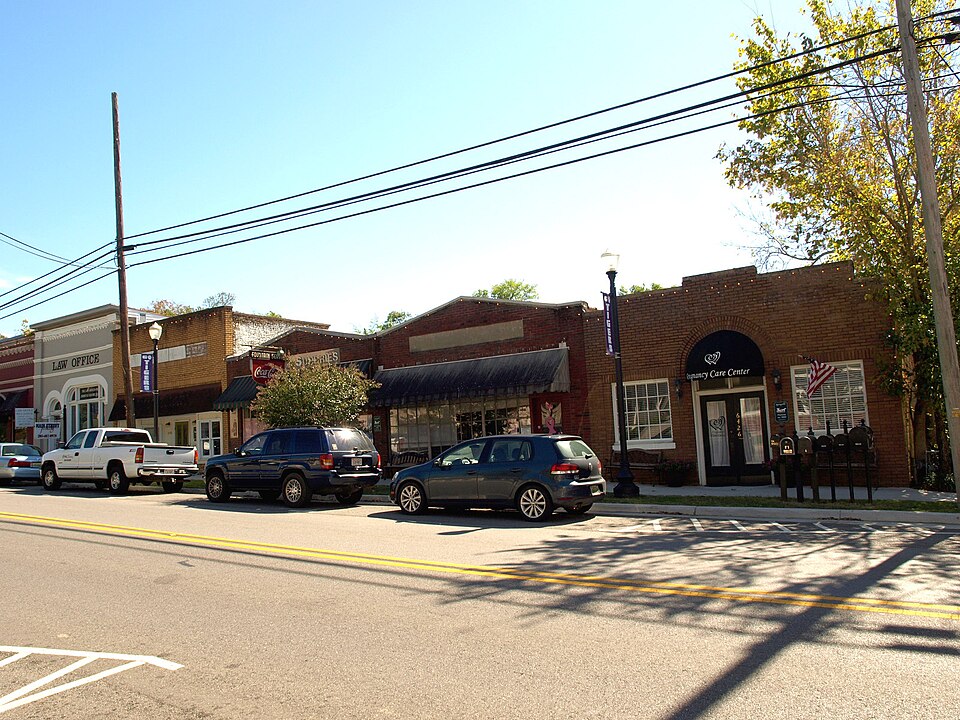
Newton, Alabama, developed as a small but strategically positioned community in Dale County, where agriculture and early transportation routes shaped its town center. In the late 19th and early 20th centuries, rural settlements in this region typically formed around essential institutions such as post offices, general stores, and churches. These structures provided both economic and social anchors for residents, establishing the earliest version of Newton’s town center.
For additional historical context on early settlement patterns, see Newton post office and early settlers. This background helps explain how foundational services influenced the town’s spatial development.
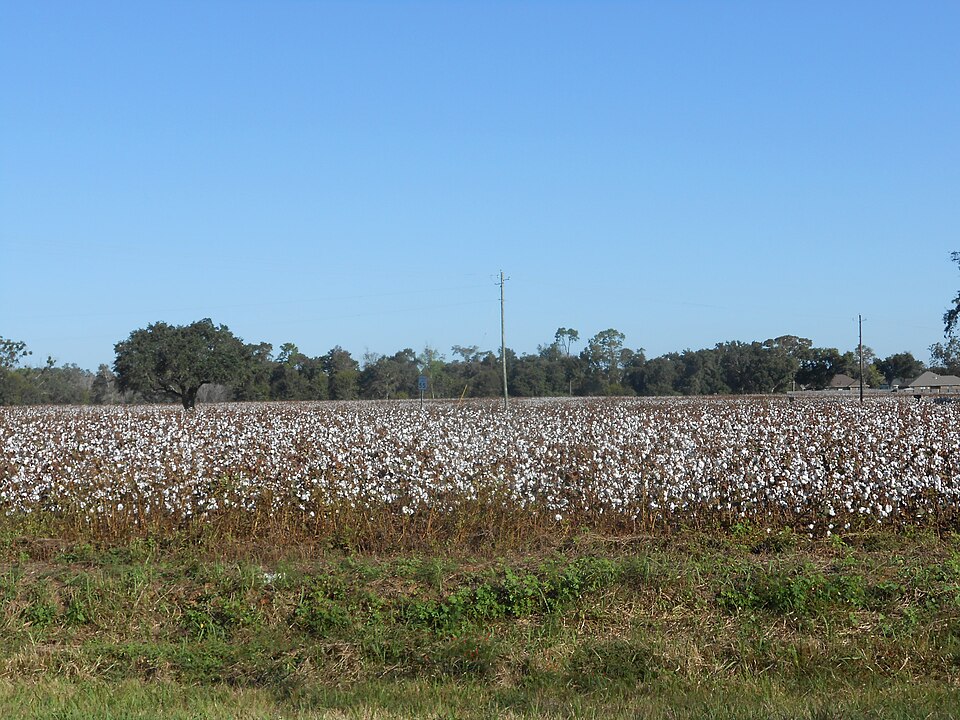
As settlement patterns stabilized, the town center became a focal point for trade and communication. Dirt roads and later graded routes connected farms to the center, allowing agricultural goods such as cotton and peanuts to move through local markets. This early infrastructure laid the groundwork for long-term development, influencing how buildings and public spaces were organized.

Agricultural Influence and Structural Development
Agriculture played a central role in shaping Newton’s built environment. Because Dale County sits within Alabama’s humid subtropical climate zone, structures had to withstand high humidity, heavy rainfall, and seasonal storms. According to National Oceanic and Atmospheric Administration, southeastern Alabama experiences frequent convective storms, which influence building materials and design choices.
These environmental pressures led to construction methods that prioritized durability and ventilation. Common features included:
- Pitched roofing systems to shed heavy rain efficiently
- Wood framing, which was readily available but required maintenance
- Ventilated attics to reduce heat buildup in summer months
To better understand how agriculture influenced nearby communities, refer to local farming traditions in Dale County. These regional practices shaped both economic activity and structural design.
Transition to a Civic and Commercial Hub
As the population grew modestly through the 20th century, Newton’s town center evolved beyond agriculture into a civic and commercial hub. Schools, municipal buildings, and small retail establishments began to cluster in the area, reflecting broader regional trends in rural Alabama development.
This transition aligned with statewide infrastructure improvements, including paved roads and expanded utility services. The introduction of electricity and later modern plumbing systems significantly altered building standards. According to U.S. Department of Energy, rural electrification transformed how communities designed and used buildings, particularly in terms of lighting, ventilation, and appliance integration.
In Newton, these changes resulted in more durable construction practices, including:
- The use of asphalt shingles for improved weather resistance
- Concrete foundations replacing earlier pier-and-beam systems
- Standardized building layouts influenced by emerging codes
Further insights into regional growth patterns can be found in community growth around Dale County schools, which highlights how public institutions shaped development.
Modernization and Regulatory Influence
In recent decades, building practices in Newton’s town center have continued to evolve under the influence of state and federal regulations. The adoption of modern building codes—such as those informed by the International Residential Code—has introduced stricter requirements for structural integrity, energy efficiency, and safety.
For example, roofing systems in southeastern Alabama must now account for wind uplift resistance, a measure of how well a roof can withstand strong winds. Guidance from Federal Emergency Management Agency outlines best practices for wind-resistant construction in hurricane-prone regions, which includes parts of southern Alabama. These standards directly affect how structures in Newton are designed and maintained.
Additionally, energy efficiency has become a growing consideration. Standards aligned with U.S. Department of Energy building efficiency guidelines encourage improved insulation, reflective roofing materials, and better ventilation systems. These updates help reduce energy consumption while maintaining indoor comfort in a climate characterized by hot summers and mild winters.
The Role of Climate and Maintenance in Ongoing Evolution
While regulatory frameworks guide construction, local climate continues to shape how Newton’s town center evolves. High humidity levels can accelerate material degradation, particularly in roofing and exterior surfaces. Regular maintenance, including inspections and repairs, remains essential to preserving structural integrity.
Seasonal weather patterns also influence long-term planning. For instance:
- Spring and summer storms increase the risk of wind and water damage
- Prolonged heat exposure can affect roofing materials and insulation performance
- Occasional cold snaps require systems that can handle temperature variation
These factors ensure that the evolution of Newton’s town center is not static. Instead, it reflects a continuous process of adaptation to environmental conditions and technological advancements.

Preservation and Community Identity
Despite modernization, Newton’s town center retains elements of its historical identity. Older structures, even when updated, often preserve original layouts or materials that reflect earlier construction methods. This blending of past and present contributes to a sense of continuity within the community.
Preservation efforts, whether formal or informal, play a role in maintaining this identity. According to Alabama Historical Commission, protecting rural heritage sites helps communities retain their cultural and architectural significance. In Newton, this perspective encourages a balance between maintaining historical character and meeting contemporary building standards.
Ultimately, the evolution of Newton’s town center illustrates how local conditions—ranging from climate to regulation—shape the built environment over time. By understanding these influences, residents gain a clearer picture of how their community has developed and how it may continue to change in the future.