
Roofing is one of the most regulated construction trades in Alabama—and for good reason. A roof protects the structural integrity of a home, safeguards occupants, and plays a major role in energy efficiency and storm resilience.
For property owners in Newton, Alabama and surrounding South Alabama communities, understanding Alabama roofing contractor licensing requirements is essential when hiring a professional. Likewise, contractors must comply with state and local regulations to operate legally and protect their business.
This guide explains how roofing licenses work in Alabama, which governing bodies oversee compliance, and why hiring a licensed roofing contractor matters for your wallet and your safety.
Why Alabama Regulates Roofing Contractors
Alabama experiences severe weather events, including hurricanes, tropical storms, and hailstorms. According to the National Oceanic and Atmospheric Administration (NOAA.gov), Alabama ranks among the top U.S. states for weather-related property damage.
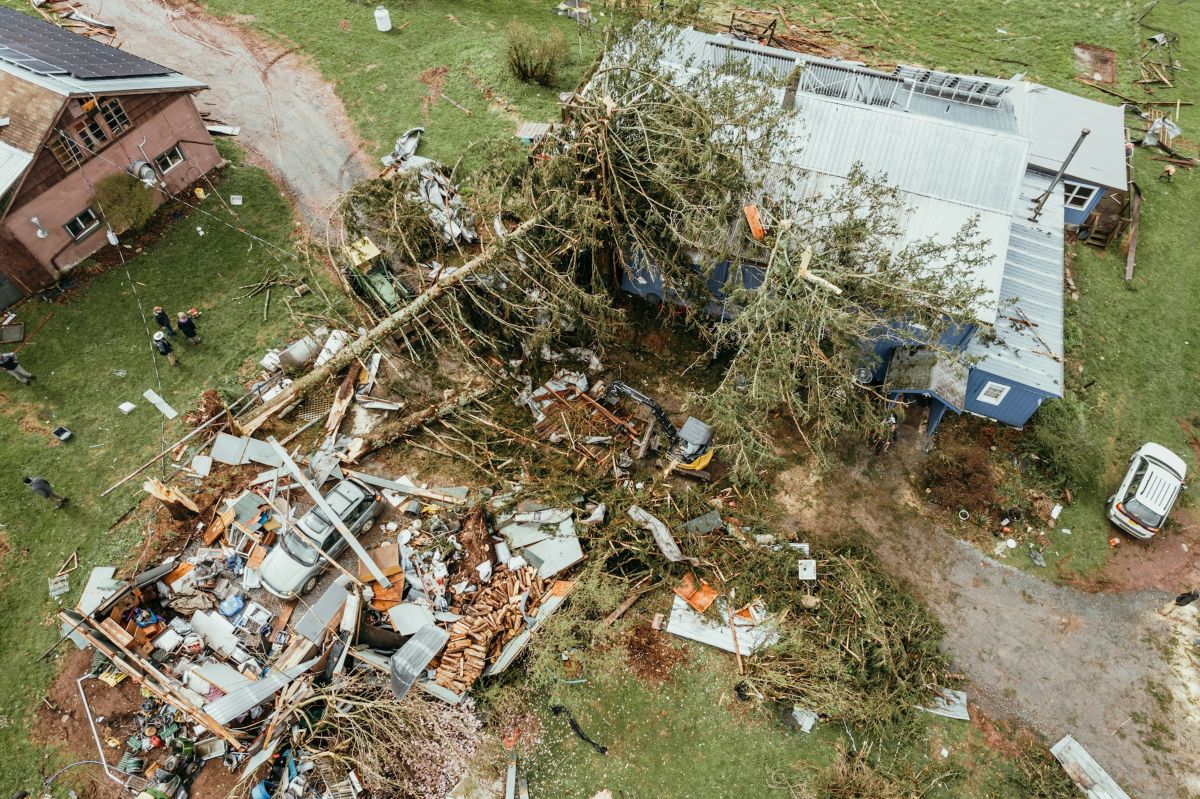
Because improper roofing installations increase the risk of structural failure and insurance disputes, the state enforces strict licensing and insurance standards. These regulations help:
- Protect consumers from unqualified contractors
- Ensure compliance with building codes
- Reduce insurance fraud and substandard workmanship
- Promote safety standards on residential and commercial projects
Alabama Roofing License Requirements Explained
One of the most common misconceptions is about when a license is needed. The thresholds are much lower than many homeowners realize.
1. License Thresholds by Project Type
- Residential roofing: A state license is required for any residential roofing job exceeding $2,500 in cost (including labor and materials). This is overseen by the Home Builders Licensure Board (HBLB). If a contractor tells you they don’t need a license for a $5,000 roof replacement, they are violating state law.
- Commercial roofing: A General Contractor license is required for jobs exceeding $50,000. This is overseen by the Licensing Board for General Contractors.
Any contractor exceeding these thresholds without a valid license may face fines, project shutdowns, or legal penalties.
2. Insurance and Bonding Requirements
Licensed roofing contractors must carry:
- General liability insurance
- Workers’ Compensation Coverage (if they have employees)
- A $10,000 Surety Bond (specifically required for the HBLB Roofers License)
Why does the bond matter? The $10,000 surety bond isn’t just a fee; it is a form of consumer protection. If a licensed roofer fails to complete the work or violates state building regulations, a homeowner can file a claim against this bond to recover financial losses. Unlicensed contractors offer no such safety net.
3. Exams, Financial Statements, and Background Checks
Applicants must typically submit proof of industry experience, financial statements demonstrating solvency, and business entity registration with the Alabama Secretary of State. These hurdles ensure that the company you hire is a legitimate business, not just a person with a truck and a ladder.
Local Building Codes and Permit Requirements
In addition to state licensing, roofing contractors must comply with local permitting and inspection rules.

Cities and counties in South Alabama—including Dale County, Houston County, and Coffee County—enforce building codes based on the International Residential Code (IRC) and International Building Code (IBC). The International Code Council (ICC) emphasizes that roofing systems must meet wind uplift, fastening, and underlayment standards. In our region, where storm winds are a constant threat.
Penalties for Unlicensed Roofing in Alabama
Hiring or operating as an unlicensed roofing contractor can result in:
- Civil Penalties: Homeowners can inadvertently face fines for unpermitted work.
- Stop-Work Orders: Municipalities can shut down your project mid-construction if permits aren’t pulled.
- Insurance Denials: This is the biggest financial risk. If an unlicensed contractor installs your roof and it leaks during the next storm, your homeowner’s insurance carrier may deny the claim citing improper installation by an unauthorized worker.
The Alabama Attorney General’s Office actively investigates unlicensed construction activity, particularly after major storm events to protect consumers from fraud.
Protection Against “Storm Chasers”
After major storms, out-of-state contractors often flood South Alabama. Alabama law provides specific protections for homeowners in these situations. Under Alabama law, if your insurance company denies your claim for roof damage, you have the right to cancel the roofing contract within five days. Licensed local contractors understand and respect this law; unlicensed storm chasers often try to force you into binding contracts immediately.
How Homeowners Can Verify a Roofing Contractor’s License
Before signing any roofing contract, homeowners should:
- Request the contractor’s license number
- Verify it through the HBLB online database (for residential) or GenConBD (for commercial).
- Confirm insurance certificates are current
- Avoid contractors demanding full payment upfront
The Federal Trade Commission (FTC) advises consumers to avoid storm-chasing contractors who lack verifiable credentials.
Get a Licensed Roofing Inspection in Newton, AL
If you are considering a roof repair or replacement, partnering with a licensed contractor is the smartest first step. South Alabama Construction, based in Newton, AL, meets Alabama licensing requirements and brings regional expertise to every project—from storm damage assessments to full roof replacements.
Protect your home with a trusted local team. Schedule your free consultation, contact us today!