
Tucked along the gently rolling landscape of southeastern Alabama lies Newton, a town whose quiet streets echo the rich heritage of its earliest settlers. While today it may appear a tranquil rural community, Newton’s roots run deep into Alabama’s frontier past—shaped by determination, civil conflict, and community building. Central to this evolution was the Newton Post Office, a seemingly simple institution that played a vital role in connecting a growing community and shaping its destiny.
From Frontier to Foundation: The Early Settlers of Newton
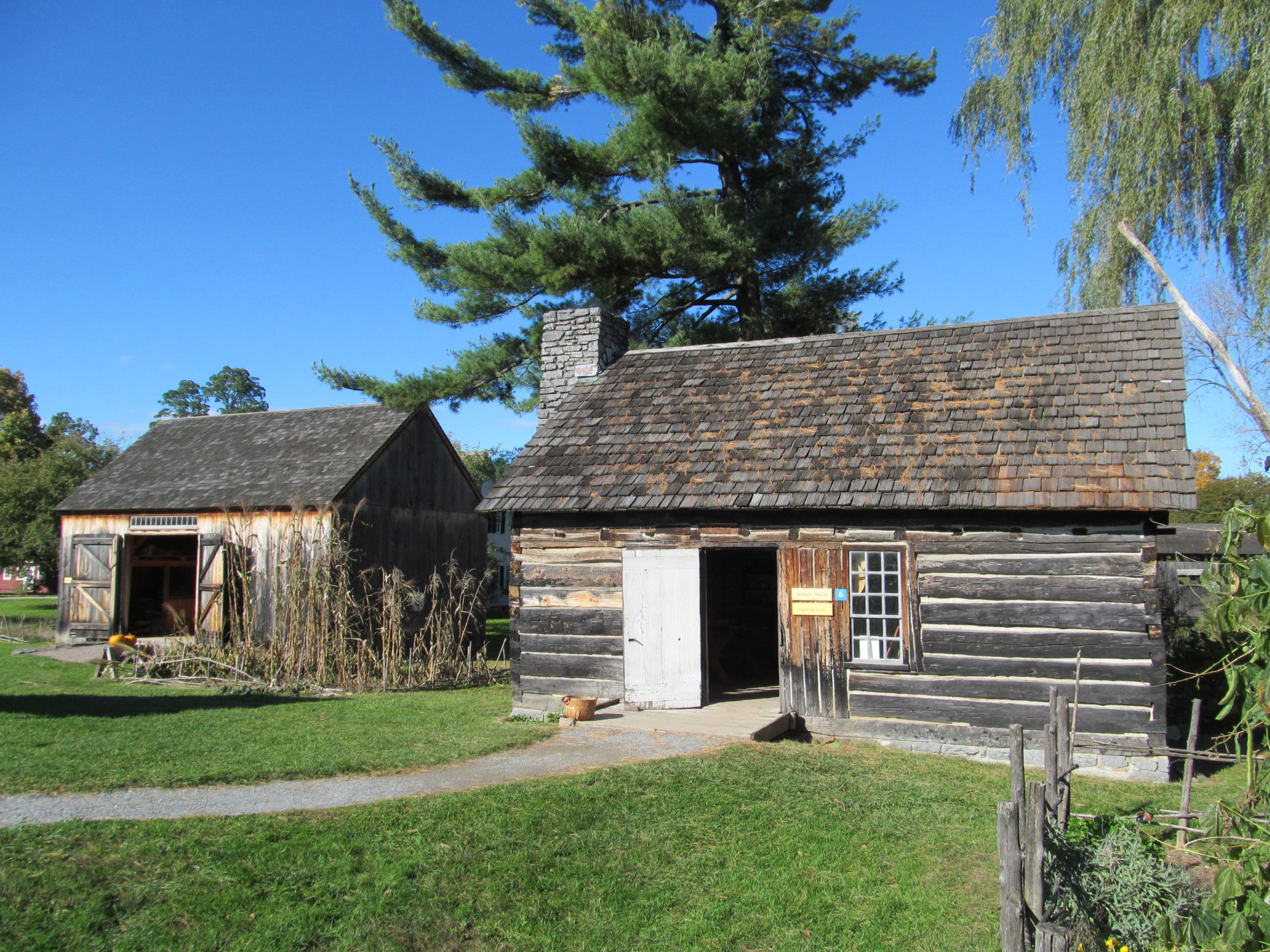
Founded in 1843, Newton emerged during a period of transformation in Dale County. When Coffee County was carved out of Dale’s western half, the previous county seat in Daleville no longer served the geographic center. Newton was established as the new seat of government, drawing settlers, farmers, and tradesmen who hoped to build a new life at the heart of local politics and commerce.
These early settlers were predominantly small-scale farmers and craftsmen—many of them veterans or descendants of pioneers who had carved out the Wiregrass region’s rough terrain. Life was not easy; dense pine forests had to be cleared, and roads were little more than dirt paths. Still, the promise of fertile land, access to the Choctawhatchee River, and growing infrastructure spurred Newton’s initial development.
Among the first essential structures established in this budding community was its post office—serving not just as a place to receive letters, but as the lifeblood of communication, commerce, and federal presence in the area.

The Newton Post Office: Lifeline of the 19th Century Town
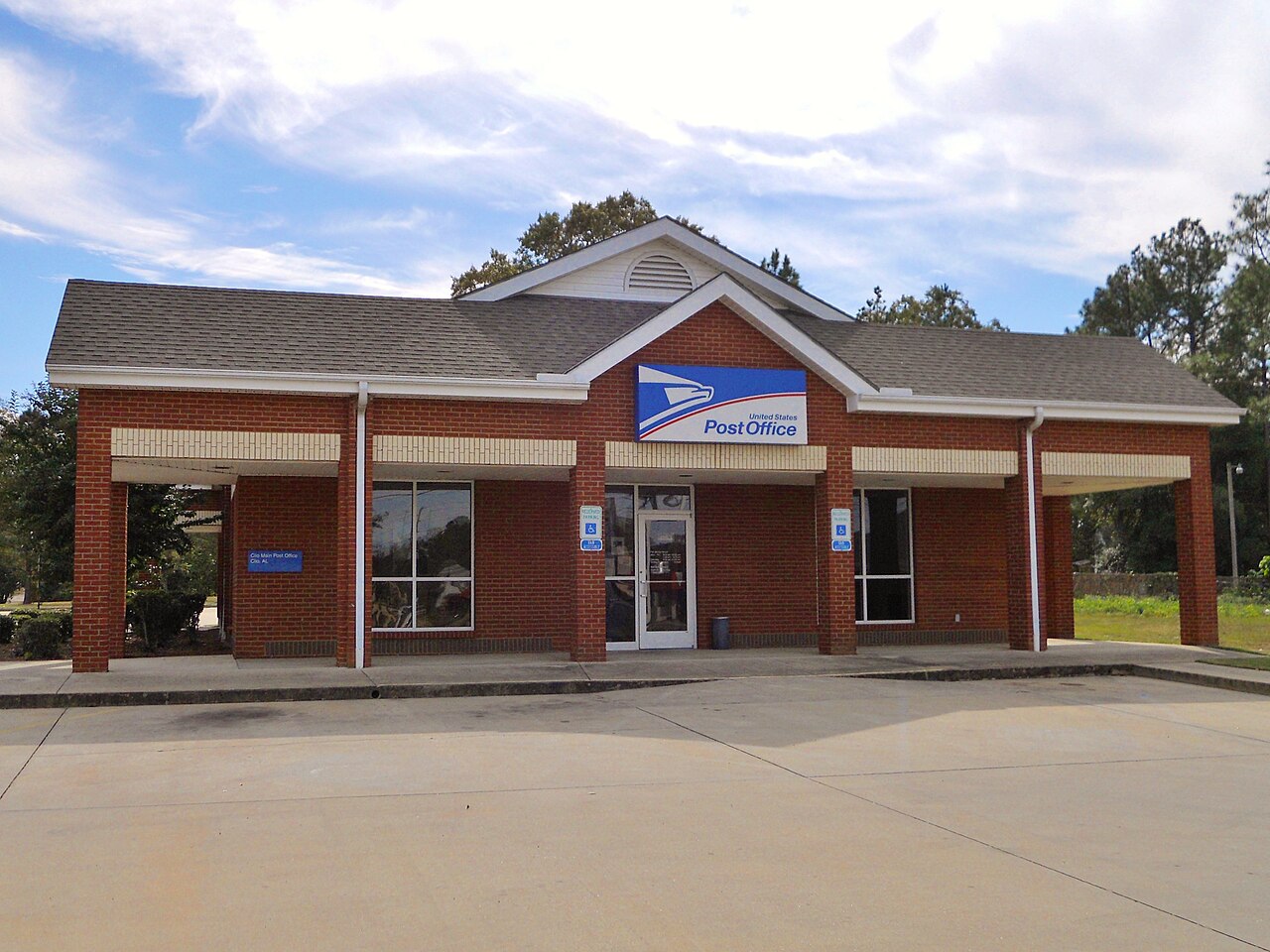
The Newton Post Office was more than a building—it was a symbol of connection in a time when news and goods traveled slowly and communities were often isolated. Located near the town center, it provided a vital link between Newton’s settlers and the wider world.
Mail delivery was irregular in the early days, often reliant on horseback couriers traversing muddy trails and crossing the Choctawhatchee River by ferry. In fact, before rail lines reached Newton in 1890, much of the area’s transportation revolved around river access. Steamboats would travel upstream from Choctawhatchee Bay in Florida to Newton, bringing not only goods but also mail and news. The post office would receive these deliveries and distribute them to townspeople eagerly awaiting letters from distant relatives, newspapers, or supplies ordered by catalog.
The presence of a federal post office also reinforced Newton’s importance as the county seat of Dale County—a role it held until 1870, when the courthouse burned down and the seat moved to Ozark. Despite this loss, the post office continued operating, serving as a steady anchor for the town’s residents.

Communication in Times of Conflict
Newton’s post office played a particularly poignant role during the Civil War era. As a Confederate recruiting center, Newton saw young men enlist and ride off to distant battles, often with their last communication to family members being posted from the local mail office.
The war also brought turmoil directly to the town’s doorstep. In March 1865, Union forces under Joseph Sanders—once a Confederate captain—attempted to burn Newton’s courthouse. The town’s Home Guard repelled the attack in a skirmish now known as the Battle of Newton. During these fraught times, the post office would have served as a crucial hub—handling military dispatches, casualty lists, and letters filled with both hope and heartbreak.
Following the war, Newton’s recovery was slow but steady. The Southern Star newspaper was first published here in 1867, using the post office for distribution before it later moved to Ozark.
Changes and Continuity: From River Town to Railroad Stop
As Newton transitioned from river port to railroad stop, the post office continued to evolve. The arrival of the railroad in 1890 signaled a new chapter for the town and brought more consistent and efficient mail service. With improved connectivity, residents could more easily order goods, stay informed, and maintain relationships with friends and family far away.
Despite modernization, the post office remained a focal point of daily life. It was where neighbors chatted, local gossip circulated, and civic notices were posted. Even today, the Newton Post Office maintains its role as a central meeting place for many of the town’s residents.
Honoring Legacy and Preserving Heritage
While digital communication has transformed how we connect today, Newton’s post office stands as a living monument to the resilience and community spirit of the town’s earliest settlers. It reminds us that the growth of rural towns like Newton was not built solely on grand institutions or sprawling industries—but on humble places like the post office, where connection, communication, and community came together.
For those involved in preserving and building the infrastructure of the Wiregrass region—whether through roads, homes, or civic buildings—understanding the role of these foundational institutions is key. They were the lifelines of the past and continue to inform how the region grows in the present.
The story of Newton, Alabama, and its post office is more than just a historical account—it is a testament to how communication, infrastructure, and community spirit intersect in rural American life. For builders and developers today, recognizing and honoring that legacy adds depth and authenticity to every project undertaken in the region.